
RAPP Assessment Scoring Tool
Health and Safety Executive (HSE). Risk assessment of pushing and pulling (RAPP) tool. INDG478. Published 2016. Use Section A for wheeled equipment and Section B for loads moved without wheels. The total score is for prioritisation and comparison; it is not an action level.
Task Details
Record the task context, route, load, handling method and other assessment details.
Section A – Pushing or Pulling Loads on Wheeled Equipment
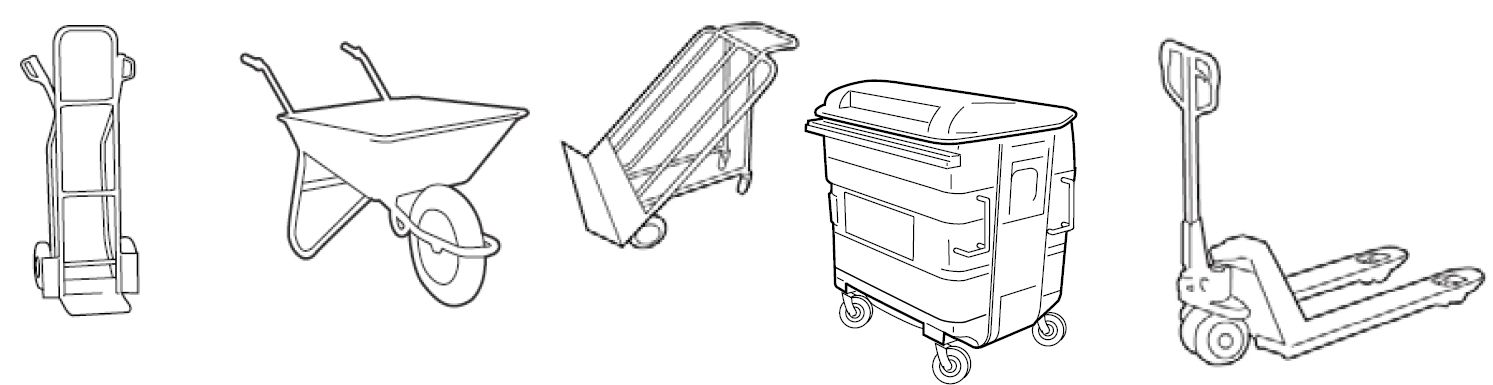
Use this section for hand trolleys, pump trucks, carts, wheelbarrows, roll cages, Euro bins, pallet trucks, rail systems and similar equipment.
A-1 Type of equipment / Load weight
Select the equipment category and enter the total load moved, including the equipment and load carried. If the load exceeds the equipment’s rated capacity, the operation is flagged as unacceptable.
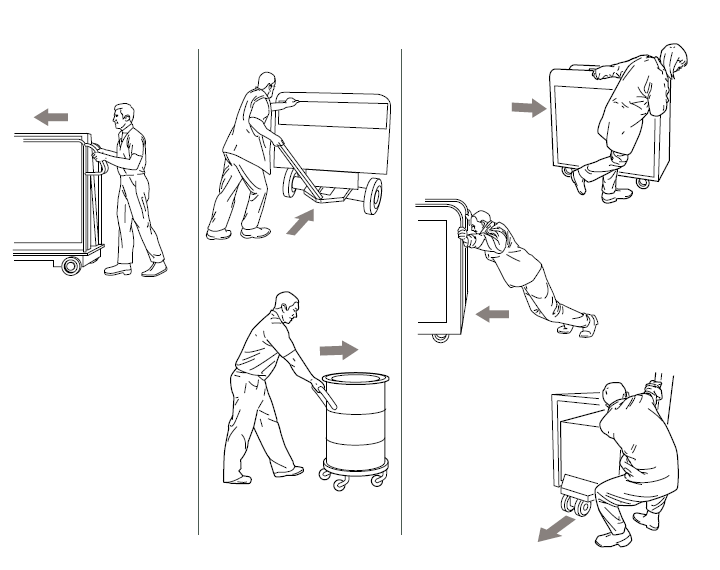
A-2 Posture
Assess the general positions of the hands and body during pushing or pulling.
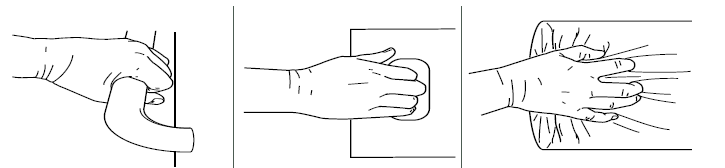
A-3 Hand grip
Assess whether handles or handhold areas allow a comfortable grip or full-hand contact.
A-4 Work pattern
Consider repetition, work pace, breaks and job rotation.
A-5 Travel distance
Single-trip distance. For repetitive operations, use the average distance for at least five trips.
A-6 Condition of equipment
Consider planned maintenance, wheels, bearings, brakes and general state of repair.
A-7 Floor surface
Assess cleanliness, levelness, firmness and surface condition along the route.
A-8 Obstacles along the route
Consider cables, raised edges, steps, steep ramps, narrow doors, confined spaces, bends and corners.
A-9 Other factors
Examples include unstable load, obstructed view, sharp/hot load, poor lighting, temperature, humidity, wind, or PPE making handling harder.
Section B – Pushing or Pulling Loads Without Wheels
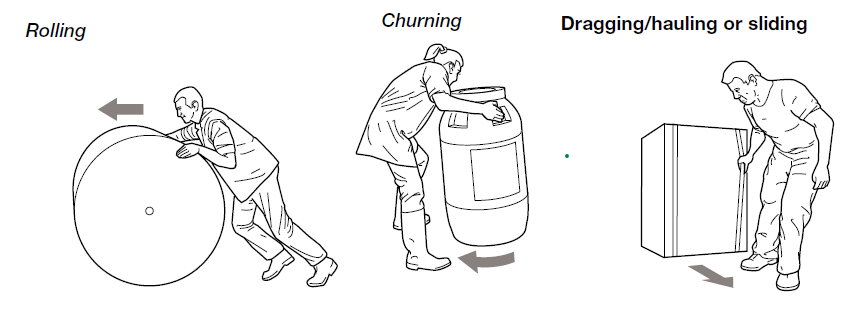
Use this section for rolling, churning, dragging, hauling or sliding loads without wheeled equipment.
B-1 Activity / Load weight
Select the activity type and enter the heaviest load likely to be moved. If two or more loads are moved at a time, assess the total weight moved.
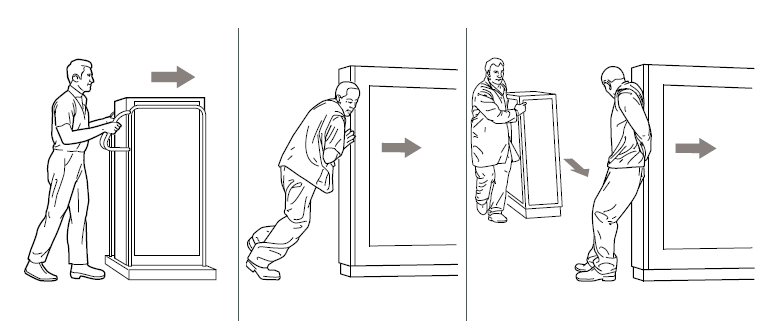
B-2 Posture
Assess the general positions of the hands and body during the operation.
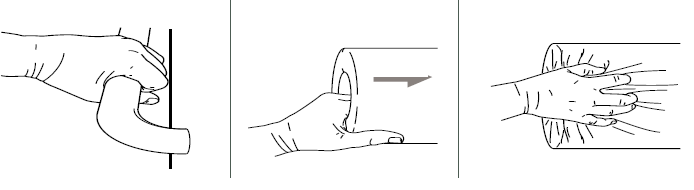
B-3 Hand grip
Assess whether the load has handles or handhold areas that allow comfortable gripping or pushing contact.
B-4 Work pattern
Consider repetition, work pace, breaks and job rotation.
B-5 Travel distance
Single-trip distance. For repetitive operations, use the average distance for at least five trips.
B-6 Floor surface
Assess cleanliness, levelness, firmness and surface condition along the route.
B-7 Obstacles along the route
Consider cables, raised edges, steps, steep ramps, narrow doors, confined spaces, bends and corners.
B-8 Other factors
Examples include unstable load, obstructed view, sharp/hot load, poor lighting, temperature, humidity, wind, or PPE making handling harder.
High-Risk Indicators and Notes
Record individual capability, vulnerable workers, psychosocial issues and signs that the operation may be difficult or high risk.
Summary and Report
Review the RAPP scores, unacceptable flags and key risk-factor flags. RAPP total scores are used for prioritisation and comparison rather than specific action levels.
Section A – Wheeled equipment
No unacceptable flag selected.
Section B – Without wheels
Score calculated for prioritisation and comparison.
Risk factor flags
Generated report text
Reference
Health and Safety Executive (HSE). Risk assessment of pushing and pulling (RAPP) tool. INDG478. Published 2016.
This HTML scoring tool is an internal prototype based on the HSE RAPP assessment structure. It is not an official HSE tool. Users should refer to the original HSE guidance when conducting formal assessments. Section A picture panels are loaded from IEH-hosted image links. Section B B-1, B-2 and B-3 picture panels are loaded from IEH-hosted image links.
RAPP Guidance PDF
Reference copy of the HSE RAPP tool guidance. Use this viewer to check the original assessment criteria while completing the scoring tool above.