
ART Assessment Scoring Tool
Health and Safety Executive (HSE). Assessment of repetitive tasks of the upper limbs: The ART tool – Guidance for employers. INDG438. First published 03/10; HSE publication version shown as 10/15.
Task Details
Record the basic task information, observed work cycle, tools, handled items and rotation arrangements.
Stage A – Frequency and Repetition
Assess arm movements and the number of similar arm/hand motion patterns repeated per minute.
A1 Arm movements
Observe the movement of each arm and select the most appropriate category.
A2 Repetition
Count similar arm and hand motion patterns over a set period, such as one minute.
Stage B – Force
Score the highest relevant hand-force exposure. If very strong force is selected, the tool flags that task changes are required.
B Force – Left arm
Select the most appropriate force category for the left arm/hand.
B Force – Right arm
Select the most appropriate force category for the right arm/hand.
Stage C – Awkward Postures
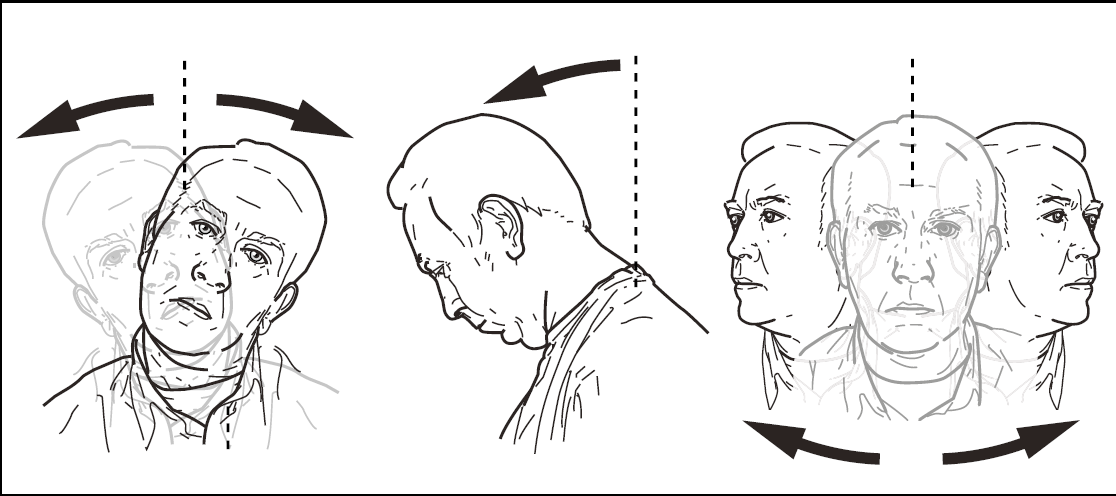
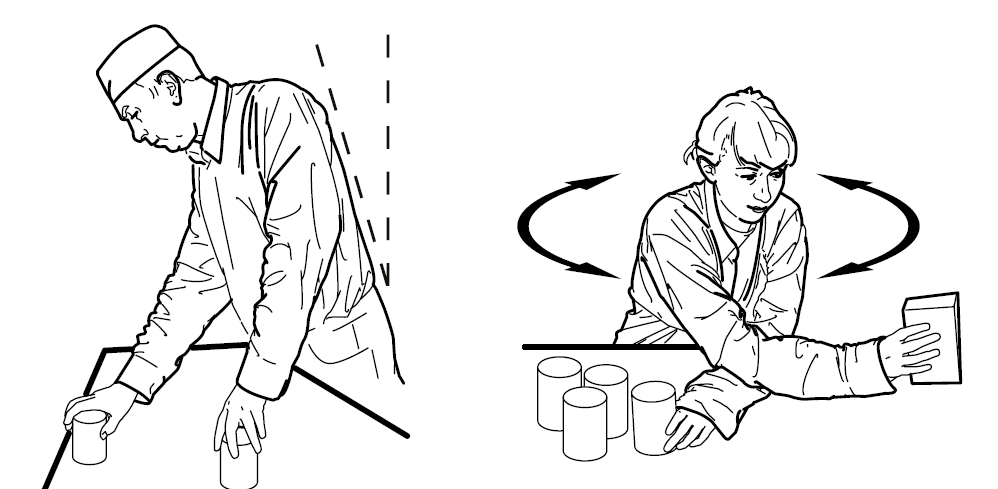
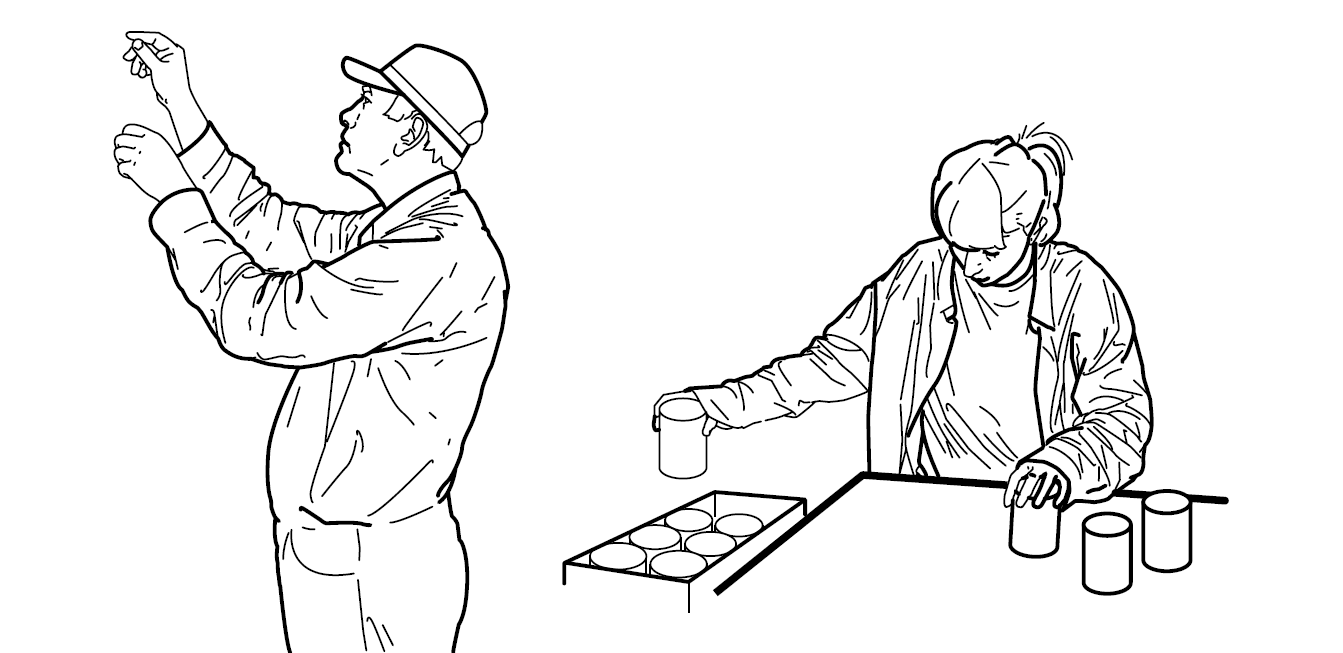
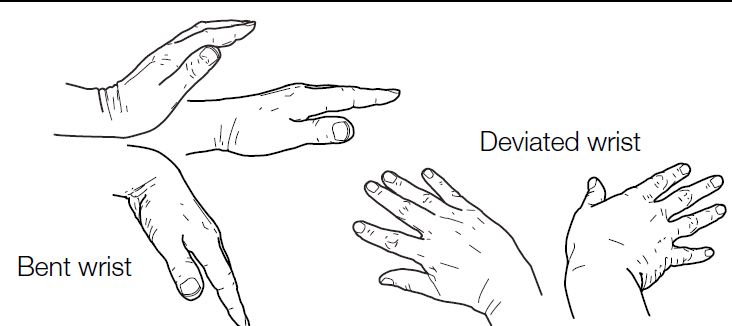
Use the visual posture panels to guide scoring. The posture illustrations are loaded from the IEH-hosted image links provided for C1 to C5.
C1 Head / Neck Posture
Score whether the head or neck is neutral, bent/twisted part of the time, or bent/twisted more than half of the time.
C2 Back Posture
Score whether the back is neutral or bent forward, sideways, or twisted during the task.
C3 Arm Posture
Score whether the elbow is close to the body/supported, raised away part of the time, or raised away more than half of the time.
C4 Wrist Posture
Score whether the wrist is almost straight/neutral, or bent/deviated during the task.
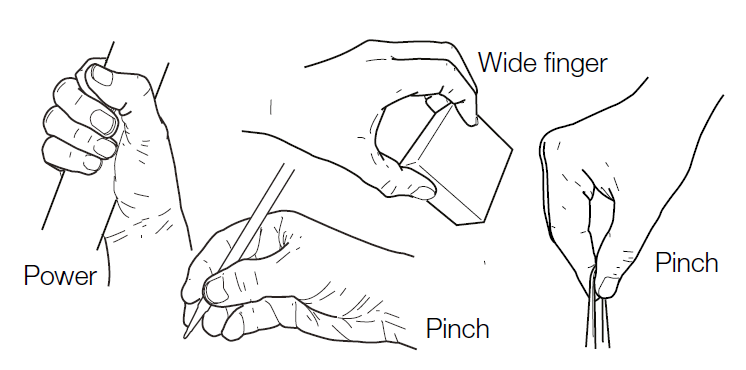
C5 Hand / Finger Grip
Score whether the hand uses a power grip/no awkward grip, or a pinch/wide finger grip.
Stage D – Additional Factors
Assess breaks, work pace, other task factors, task duration and psychosocial considerations.
D1 Breaks
Determine the maximum period of continuous repetitive work without a significant break or change in arm/hand activity.
D2 Work pace
Discuss with workers whether they experience difficulty keeping up with the work.
D3 Other factors – Left
Examples include gloves affecting grip, vibration, cold, poor lighting, precision work or contact compression.
D3 Other factors – Right
Examples include gloves affecting grip, vibration, cold, poor lighting, precision work or contact compression.
D4 Duration multiplier
Apply the duration multiplier to the task score to calculate the exposure score.
D5 Psychosocial factors
These are recorded but not scored in the ART tool.
Other factors and psychosocial details
Summary and Report
Review the calculated ART task scores, exposure scores, risk level and key flags before printing or saving the report.
Left arm
Low – consider individual circumstances.
Right arm
Low – consider individual circumstances.
Risk factor flags
Generated report text
Reference
Health and Safety Executive (HSE). Assessment of repetitive tasks of the upper limbs: The ART tool – Guidance for employers. INDG438. First published 03/10; HSE publication version shown as 10/15.
This HTML scoring tool is an internal prototype based on the HSE ART assessment structure. It is not an official HSE tool. Users should refer to the original HSE guidance when conducting formal assessments. The Stage C posture illustrations are loaded from IEH-hosted image links and are based on pages 6 and 7 of the source guidance.
ART Guidance PDF
Reference copy of the HSE ART tool guidance. Use this viewer to check the original assessment criteria while completing the scoring tool above.